
Discover why Manu National Park is considered the most biodiverse destination on the planet
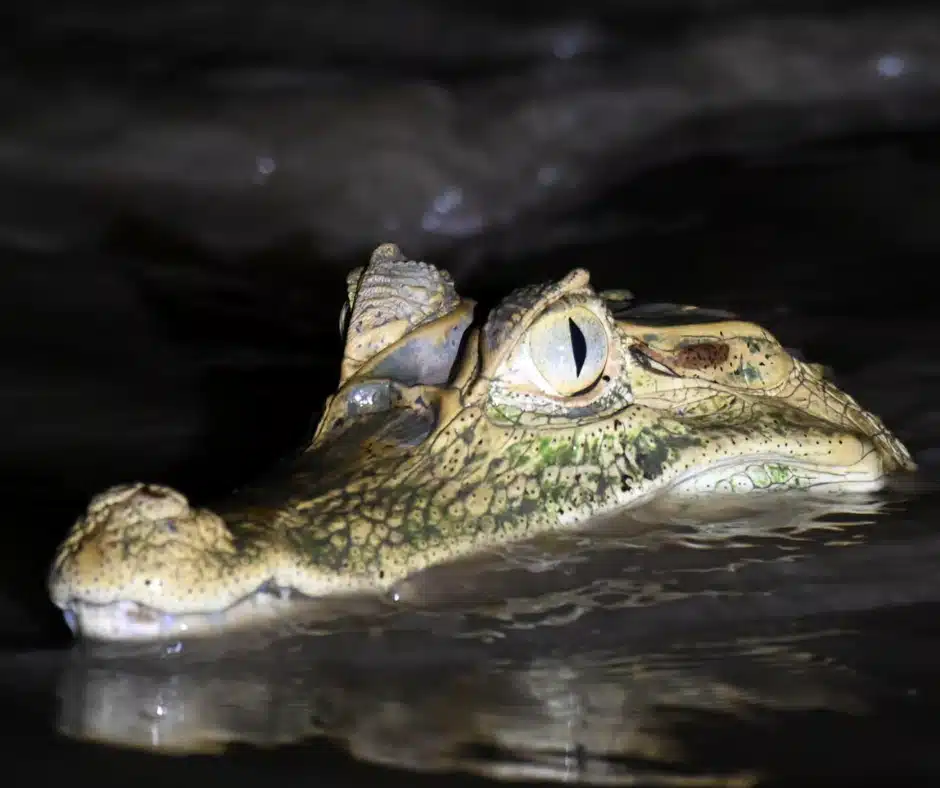
If you are a traveler seeking a real connection with nature and want to escape the usual tourist routes, Manu National Park in Peru must be at the top of your list. Forget Wi-Fi signals and crowds of tourists; here, the jungle sets the rules.
Located in southeastern Peru, Manu is not just another national park. It is a sanctuary that protects an impressive transition: from the icy peaks of the Andes at 4,000 meters above sea level to the dense and mysterious Amazonian plains.
The Beating Heart of the Peruvian Amazon
What makes Manu so special? The answer is simple: diversity. Due to its vertical variation (from the Andes to the Amazon River), the park houses multiple ecosystems within a single territory.
For birdwatchers: There are more than 1,000 recorded species. This represents about 10% of all the world’s birds!
Wildlife encounters: It is one of the best places in the world to spot the majestic jaguar, as well as giant river otters, lion monkeys, and the rare spectacled bear.
Exuberant flora: It is estimated that the region is home to between 2,000 and 5,000 species of plants, many still unknown to science.

Where Human History Remains Alive
Unlike other parks, Manu is the ancestral home of several indigenous groups, such as the Matsigenka. Most fascinating (and important) is that some areas of the park are inhabited by groups in voluntary isolation. Visiting Manu is understanding that environmental preservation goes hand in hand with respect for human rights and millenary cultures.
How to Explore this Paradise?
The park is divided into three zones to ensure its survival:
Core Zone (Zona Núcleo): Exclusive for scientific research.
Reserved Zone (Zona de Reserva/Cultural): This is where the magic happens for us travelers. It is the area where controlled tourism is allowed, offering unforgettable trails and boat trips.
Buffer Zone (Zona de Amortecimento): Where local communities live and human impact is monitored.
Golden Tip: The journey begins in Cusco. Prepare for an epic trip that mixes winding roads through cloud forests and boat trips along the Madre de Dios and Manu rivers.
Plan Your Trip
To make the most of it and avoid being “stranded” by mud, plan your visit between May and October. This is the dry season, when trails are accessible and animal sightings on the riverbanks are much more frequent.
There are 3 or 4-day expeditions. We opted for the three-day tour, and departures are from Cusco.
Day 1: Cusco – Ninamarca Chullpas – Paucartambo – Pilcopata Rainforest Lodge
Day 2: Pilcopata – Hummingbird Garden – Atalaya – Zipline – Machuwasi Lake – Night walk
Day 3: Amazon Manu Lodge – Parrot Clay Lick (Collpa de Loros) – Cusco
What is included (General Tours):
- Ground transportation (round trip).
- River transportation on the Alto Madre de Dios River.
- Accommodation in Rainforest Lodges.
- 3 meals and 1 snack per day (vegetarian option available upon request).
- Professional local bilingual guide.
- Equipment such as binoculars, terrestrial telescope, and first aid kit.
- Drinking water.
What to Bring
- Camera
- Biodegradable sunscreen
- Comfortable clothing (long sleeves recommended)
- Cash (Soles)
- Small backpack
- Charged smartphone/Power bank
- Biodegradable repellent